


Cherry blossom season in Japan is short, precise, and highly anticipated each year. Timing varies slightly by region, but the progression from south to north allows travellers to follow the bloom over several weeks. This guide highlights key locations for 2026, along with practical ways to move between them.

Planning your route during sakura season
Travelling during cherry blossom season requires careful timing, especially when moving between major cities. Booking a train from Tokyo to Kyoto is one of the most common routes, taking around two and a half hours on high-speed services operated by Japan Railways Group. Trains depart from Tokyo Station and arrive at Kyoto Station, both centrally located. This connection allows you to follow the bloom as it moves west. Seats can be reserved in advance, which is recommended during peak travel periods. Luggage space is limited on some trains, so travelling light makes the journey easier. The route itself offers a gradual shift in scenery, from dense urban areas to more open landscapes. Rail travel is the most reliable option for keeping to a schedule during this busy season. It also reduces the need for additional transfers. Planning early helps avoid last-minute changes.
Tokyo’s urban blossom spots
Tokyo offers a wide range of cherry blossom viewing locations, many of which are easily accessible by public transport. Ueno Park is one of the most popular, with hundreds of trees lining its central paths. Shinjuku Gyoen provides a more spacious setting, with a mix of early and late-blooming varieties. The Meguro River is another well-known spot, where trees line the canal and create a continuous canopy of blossoms. These locations can become crowded, particularly on weekends, so early mornings are often the best time to visit. Food stalls and temporary events are common during the season, adding to the atmosphere. Public transport connects all major viewing areas, making it easy to move between them. Tokyo’s size allows for multiple experiences within a single day. The contrast between urban density and seasonal change is noticeable. This makes it a strong starting point for a sakura-focused trip.
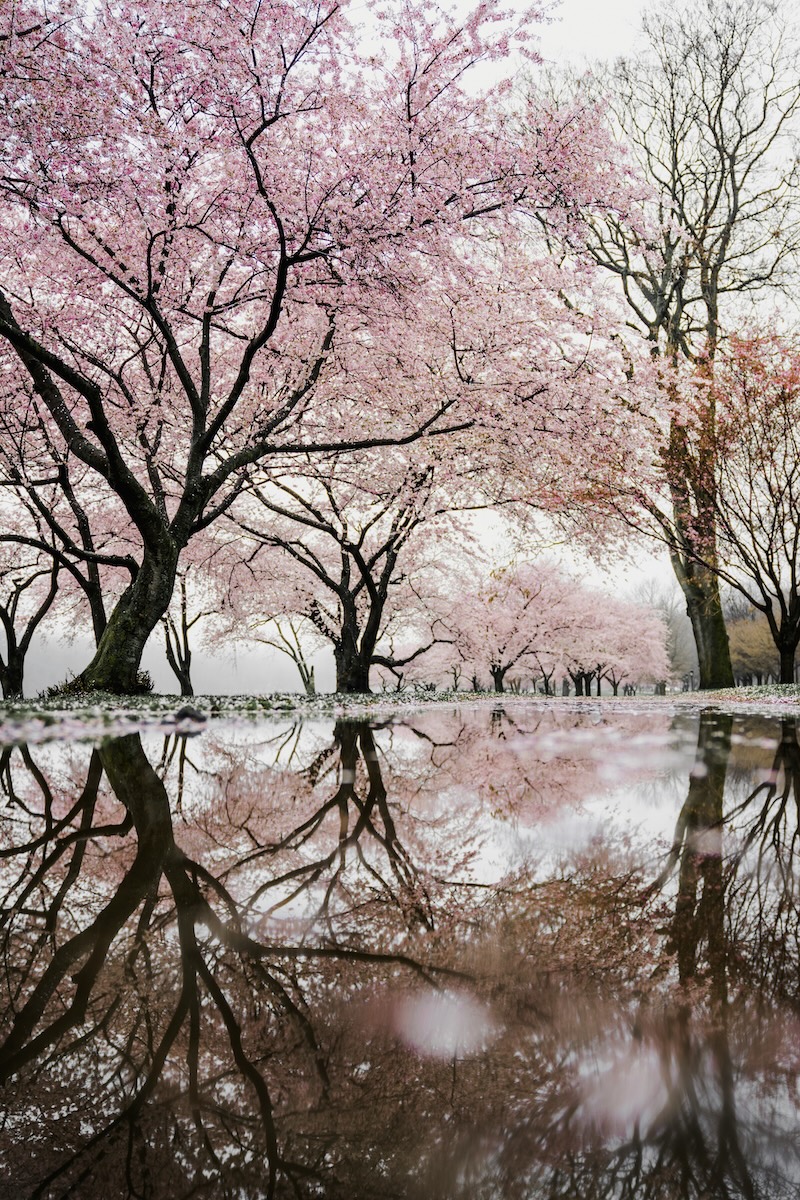
Short connections between major cities
Japan’s rail network also makes shorter journeys quick and flexible, particularly between cities in the Kansai region. Taking an Osaka to Kyoto train allows you to move between two key cherry blossom destinations in under 30 minutes. Osaka and Kyoto are often visited together, especially during spring when the bloom peaks within a similar timeframe. Frequent departures mean you can adjust your plans based on weather and bloom conditions. Stations in both cities are well connected to local transport, making it easy to reach parks and viewing spots. This short route is particularly useful for day trips. It allows you to compare different locations without committing to long travel times. Flexibility is important during sakura season, as peak bloom can shift by a few days. These connections help you adapt quickly. They also make it easier to maximise your time outdoors.
Kyoto’s historic settings
Kyoto offers a different backdrop for cherry blossoms, with temples and traditional streets adding context to the viewing experience. Maruyama Park is one of the central gathering spots, known for its large weeping cherry tree. Philosopher’s Path follows a canal lined with trees, creating a continuous route for walking. Temples such as Kiyomizu-dera provide elevated views over the city, with blossoms visible across the surrounding hills. Kyoto’s layout means that many sites are spread out, so planning your route in advance can save time. Buses and trains connect the main areas, though walking remains the best way to explore individual districts. The atmosphere is generally quieter than in Tokyo, especially outside peak hours. Evening illuminations are common at certain sites, offering a different perspective after sunset. Kyoto’s combination of nature and architecture creates a distinct setting. It is often considered one of the most balanced places to view cherry blossoms.
Osaka’s parks and riversides
Osaka provides a more relaxed environment for cherry blossom viewing, with several large parks and open spaces. Osaka Castle Park is one of the main locations, with trees spread across wide lawns and pathways. The castle itself adds a visual focal point, particularly during peak bloom. Kema Sakuranomiya Park runs along the river and offers long stretches of cherry trees, making it suitable for extended walks. Compared to Kyoto, the atmosphere is less formal, with more space to move around. Food vendors and local gatherings are common, especially in the evenings. Public transport connects these areas easily, with stations located close to the main entrances. Osaka’s viewing spots are well suited to longer visits rather than quick stops. The city’s pace allows for a more flexible schedule. It works well as part of a broader Kansai itinerary.
Following the bloom north
As the season progresses, cherry blossoms move north, reaching regions such as Kanazawa and eventually Hokkaido. Kenrokuen Garden is one of the most recognised viewing spots, combining landscaped grounds with seasonal colour. The timing here is slightly later than in Tokyo or Kyoto, which allows travellers to extend their trip. Reaching northern destinations may involve a combination of high-speed and regional trains. The pace of travel slows slightly, but the routes remain well connected. Crowds tend to be smaller than in the main cities, offering a quieter experience. The scenery also changes, with more open space and less urban density. Planning ahead is still important, particularly for accommodation. Following the bloom requires flexibility but can be rewarding. It adds a different dimension to a sakura-focused itinerary.
Bringing the journey together
Cherry blossom season in Japan combines timing, location, and movement between regions. By using the rail network effectively, it is possible to experience multiple peak periods within a single trip. Each city offers a different setting, from urban parks to historic temples and open landscapes.
Author: www.inspiredcamping.com
published 2026-05-20 15:43:56
Source link


